

Bike Potash Road: Petroglyphs, Dinosaur Tracks, and Arches
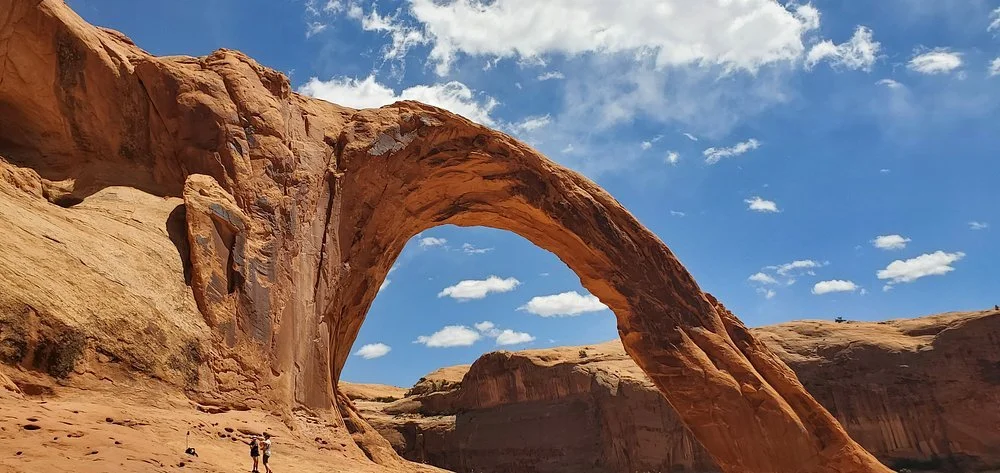
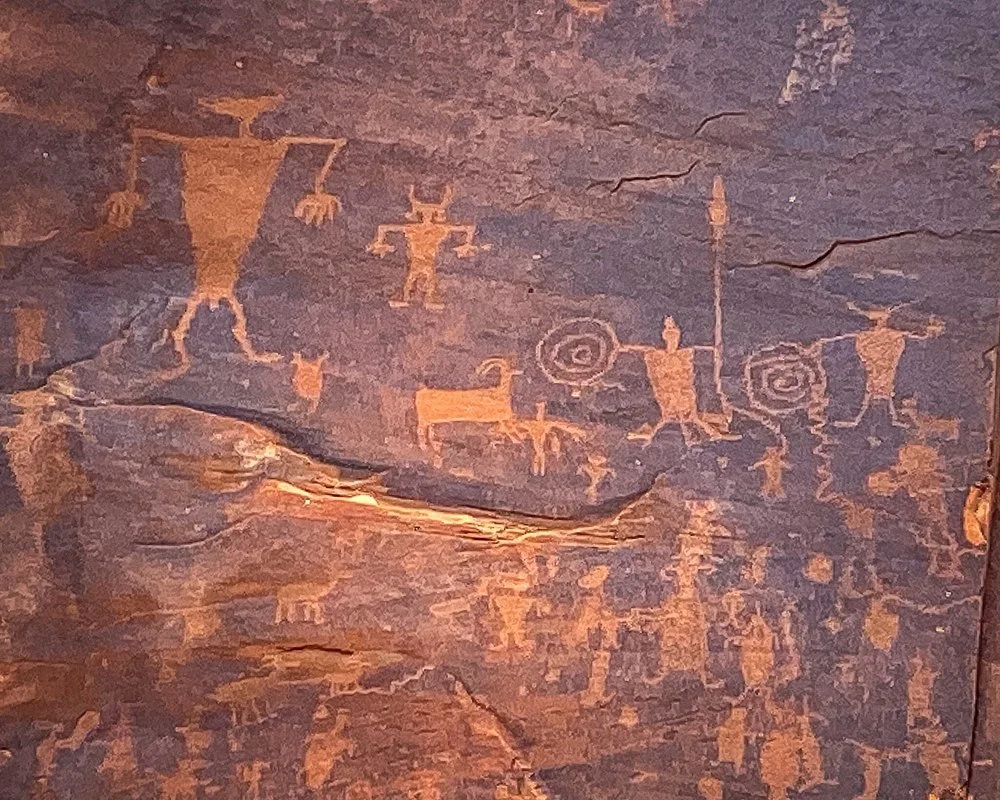
Beat the crowds and escape to one of Moab's best-kept secrets. Bike Potash Road with us and follow the Colorado River into a deepening red rock canyon, past towering sandstone cliffs, ancient rock art, fossilized dinosaur tracks, and some of the most striking natural arches near Moab. This paved scenic byway sees a fraction of the traffic of nearby national park roads, so you get big Moab scenery without the crowds.
Whether you're a history buff chasing petroglyphs, a family hunting for dinosaur tracks, or a rider looking for one of the most scenic paved rides in the area, Potash Road delivers. With a rugged, trail-ready e-mountain bike carrying you along, the route's rolling hills and long stretches disappear beneath you, leaving more time to stop, explore, and take it all in.
Why Ride an E-Bike Along Potash Road?
Potash Road, officially Utah Scenic Byway 279, threads a narrow canyon along the Colorado River just north of Moab, delivering soaring cliffs, quiet river views, and a string of can't-miss stops most visitors driving through never take the time to see up close. Riding it on an e-mountain bike means you can cover real distance along this paved byway, tackle its rolling grades with ease, and still have the energy to explore each stop on foot.
Our Potash Road route follows the paved byway the whole way, mixing flat riverside stretches with rolling climbs, so you get a genuinely scenic ride without needing to be an expert cyclist. It's one of the most rewarding rides we offer for riders who want history, geology, and desert scenery all in a single outing.
What to Expect on Your Ride
The Potash Road E-Mountain Bike
Your Potash Road ride comes with a rugged, trail-ready e-mountain bike, built for steady travel across long distances and changing terrain. A hardtail frame with front suspension smooths out the ride, while the wide-range Shimano Deore 11-speed drivetrain, with an 11-51 cassette, delivers the gear range to handle Potash Road's steeper pitches with ease. Hydraulic Shimano disc brakes round out the build, giving you confident control on the byway's descents.
This bike is optimized for smooth terrain over long distances, making it an ideal match for Potash Road's paved miles and rolling elevation, as well as nearby riding around Arches and Canyonlands National Parks.
A Unique Way to Experience Moab
Most visitors see Potash Road through a windshield, driving past its petroglyphs, dinosaur tracks, and arches without ever stopping. Riding it by e-bike changes that completely, letting you set your own pace, pull off wherever something catches your eye, and actually explore the stops that make this byway special.
Riders choose Potash Road when they want a genuinely scenic ride paired with real points of interest, whether that's tracing million-year-old dinosaur footprints, spotting ancient rock art, or standing beneath a massive sandstone arch, all without the crowds of Moab's busier national park roads.
Ride Details
Paved Scenic Byway 279 following the Colorado River
Rolling terrain with sections of flat riverside riding and moderate climbs
Rugged, hardtail e-mountain bike with wide-range gearing for steep pitches
Stops include petroglyph panels, dinosaur tracks, and Corona, Bowtie, and Jug Handle Arches
Passes Wall Street, one of Moab's most popular rock climbing areas
Far fewer crowds than nearby national park roads
Flexible out-and-back format — ride as far as you'd like
Why Choose E-Bike Moab?
At E-Bike Moab, we specialize in helping riders experience Moab's incredible landscapes in a fun, approachable, and adventure-focused way. Our fleet includes rugged, trail-ready e-mountain bikes built for long-distance rides like Potash Road, with the gearing and suspension to handle changing terrain comfortably.
We provide local route knowledge, rider support, and recommendations to help you make the most of your ride along Potash Road and beyond.
Frequently Asked Questions
-
Potash Road runs roughly 17 miles one-way along the paved byway. Most riders ride an out-and-back to the Corona Arch or Jug Handle Arch area, roughly 20 miles round trip, though you can turn around earlier or ride further depending on your pace and time.
-
The road itself is paved with rolling grades rather than technical terrain, making it accessible to moderately fit riders. The e-assist makes the climbs manageable, though this is a longer ride than our easiest routes, so some riding experience is helpful.
-
The petroglyph panels are visible from marked roadside pullouts. Reaching the dinosaur tracks requires a short, steep scramble off the bike, so sturdy shoes are recommended if you plan to hike up.
-
No. Potash Road runs alongside the Colorado River outside the park boundary, but it passes several natural sandstone arches, including Corona, Bowtie, and Jug Handle Arches, along the way.
-
Yes. It's a paved state highway used by vehicles, including rock climbers and visitors headed toward Canyonlands National Park. Traffic is generally light, but riders should stay alert near pullouts and parking areas.
-
We recommend at least 3 liters of water, sunscreen, sturdy shoes if you plan to hike to the dinosaur tracks, and binoculars if you'd like a closer look at the higher petroglyph panels.
-
This ride uses a rugged hardtail e-mountain bike with front suspension, a wide-range Shimano Deore 11-speed drivetrain, and hydraulic disc brakes, built for long-distance travel over changing terrain.